Unwound
- Year
- 2025
- Duration
- 6 Months
- Team
- 7 Members
- Role
- Game Designer
- Engine
- Unity
- Status
- In Development
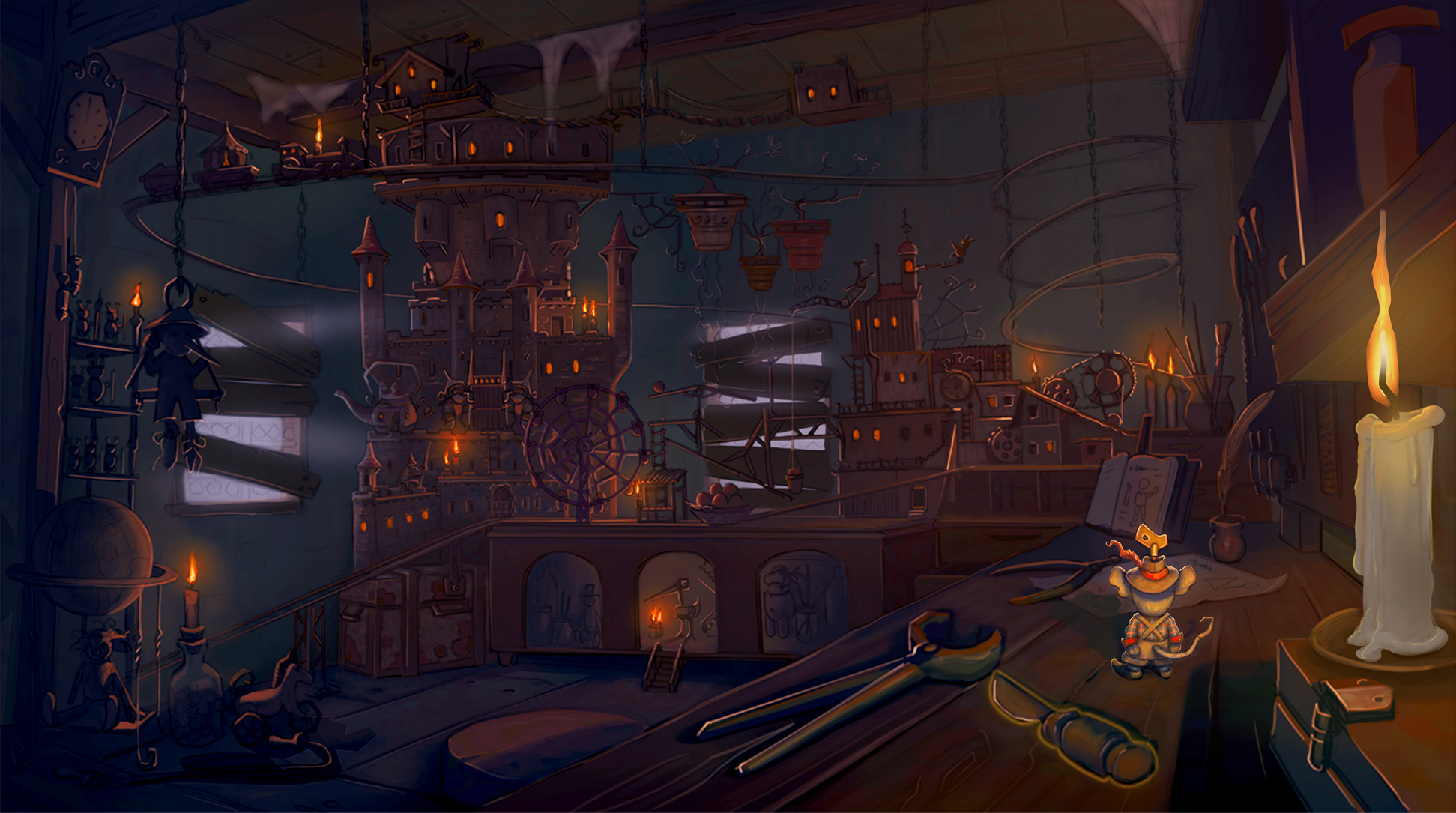
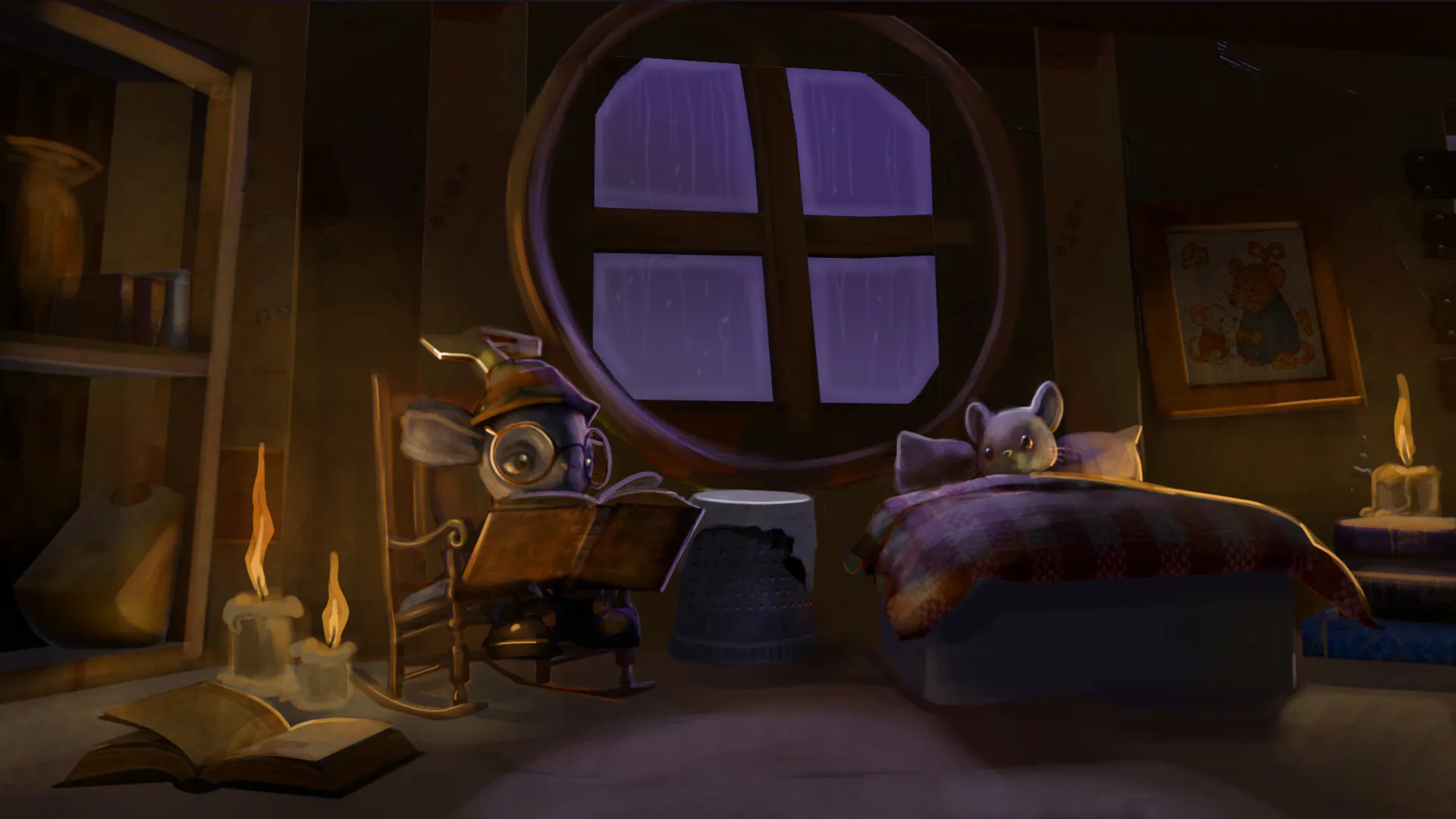
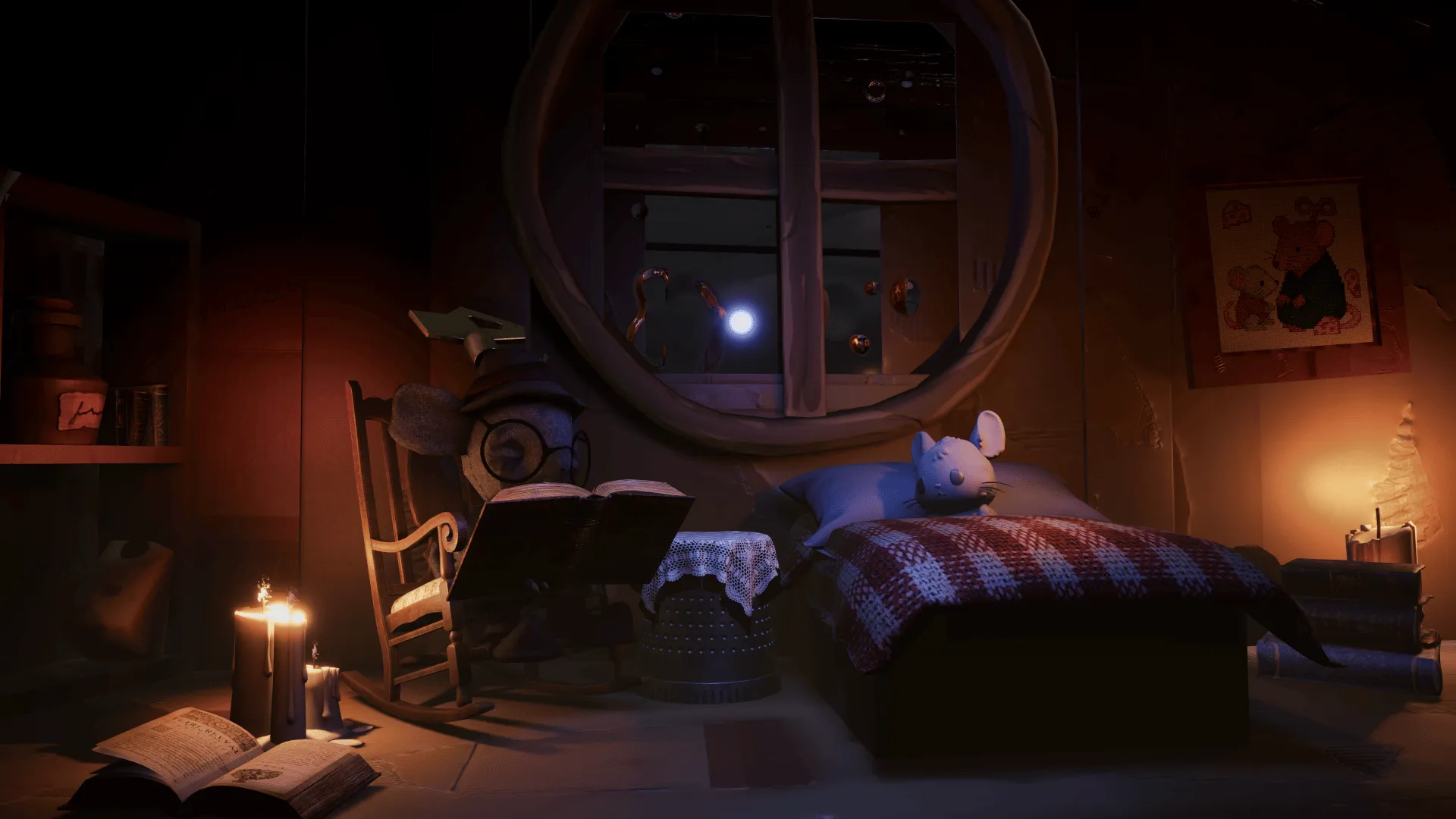
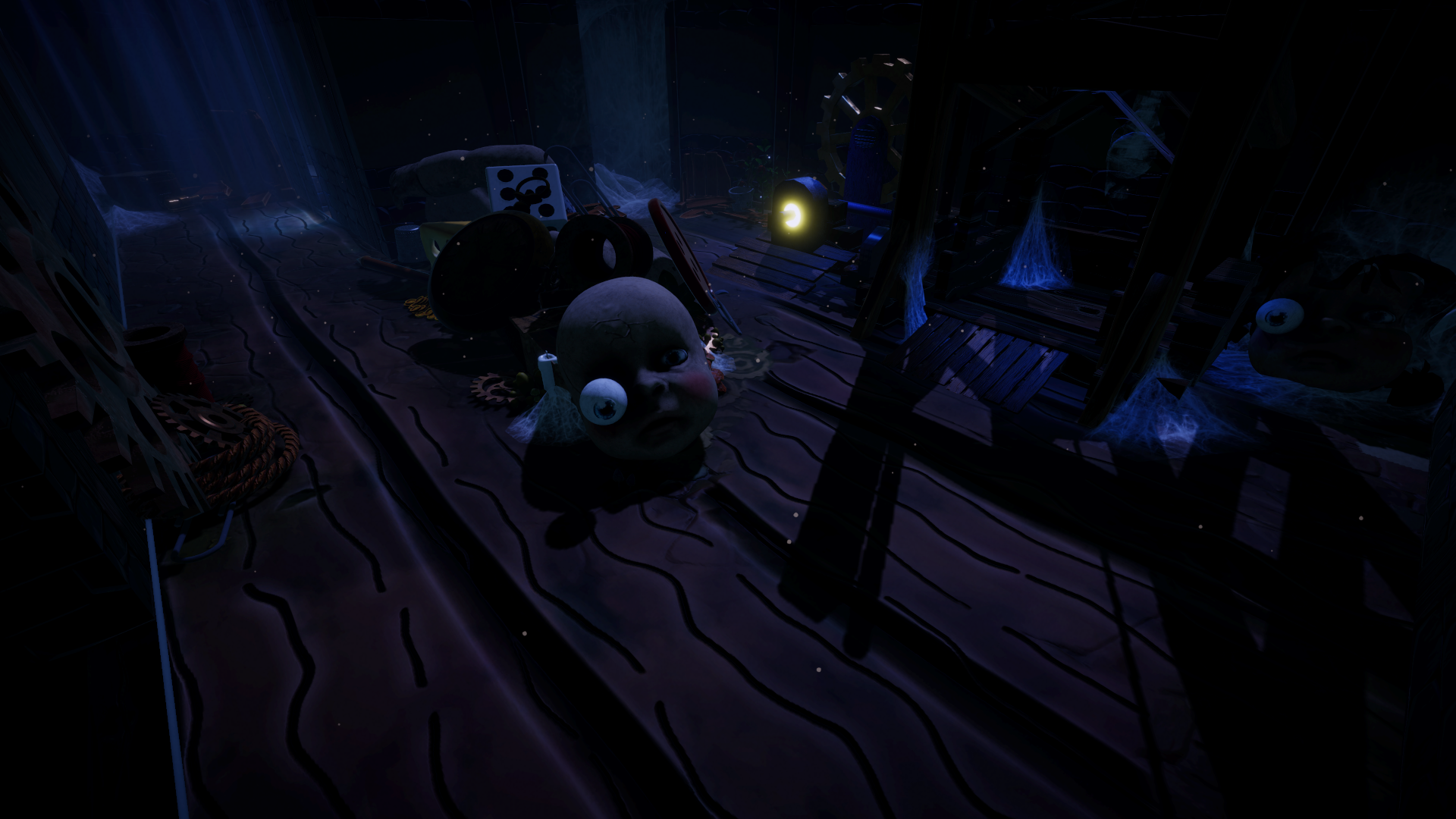
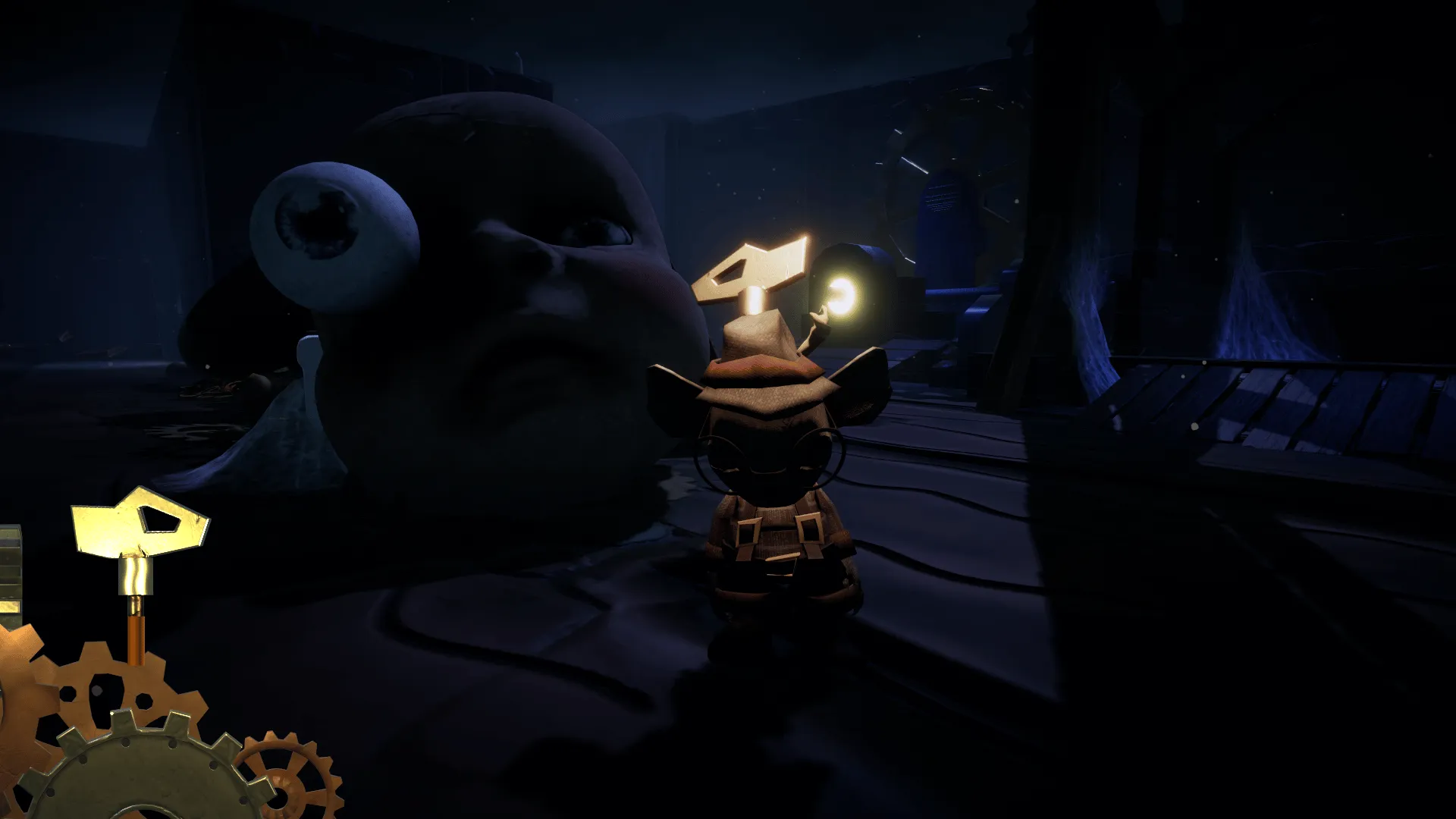
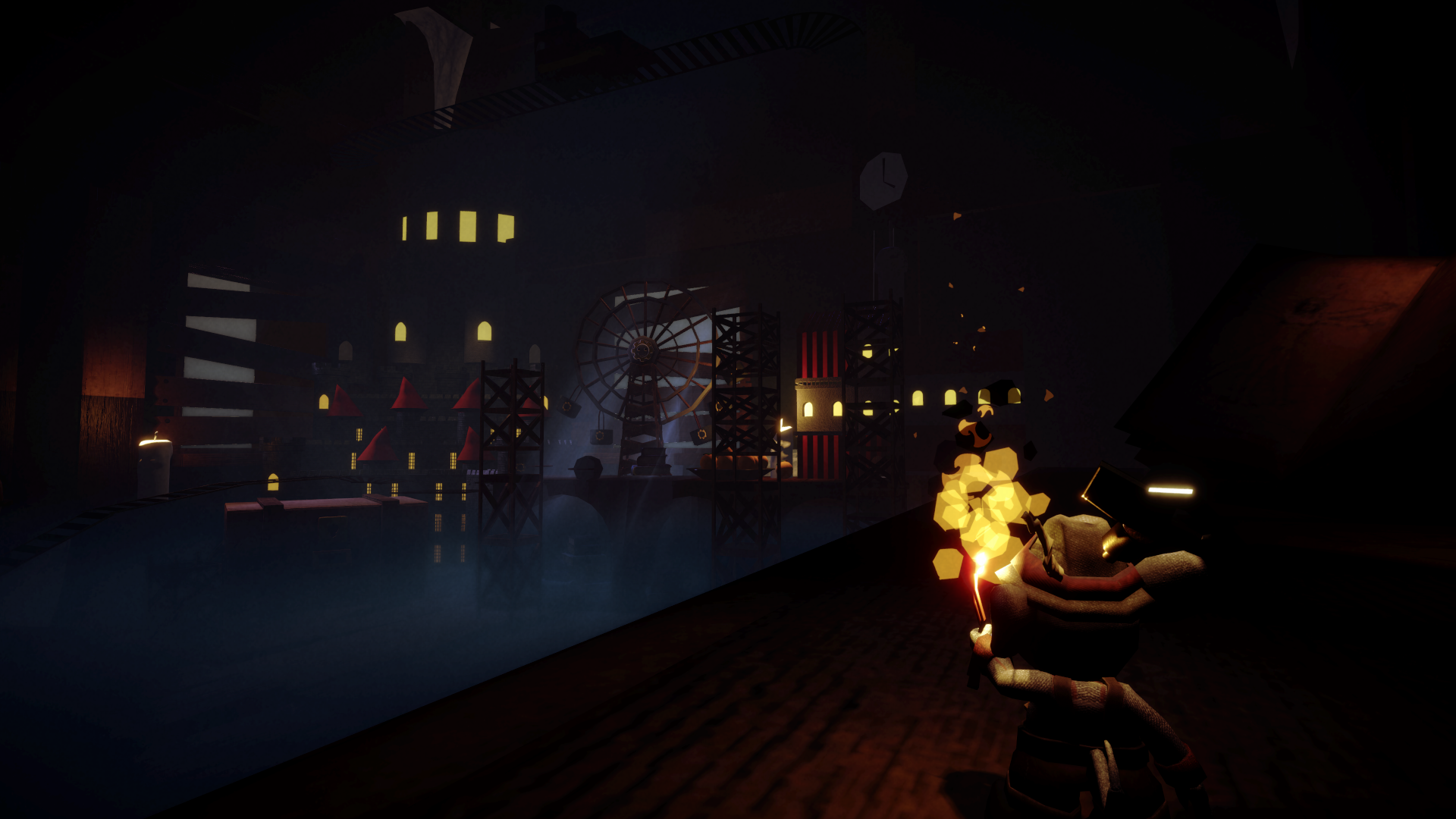
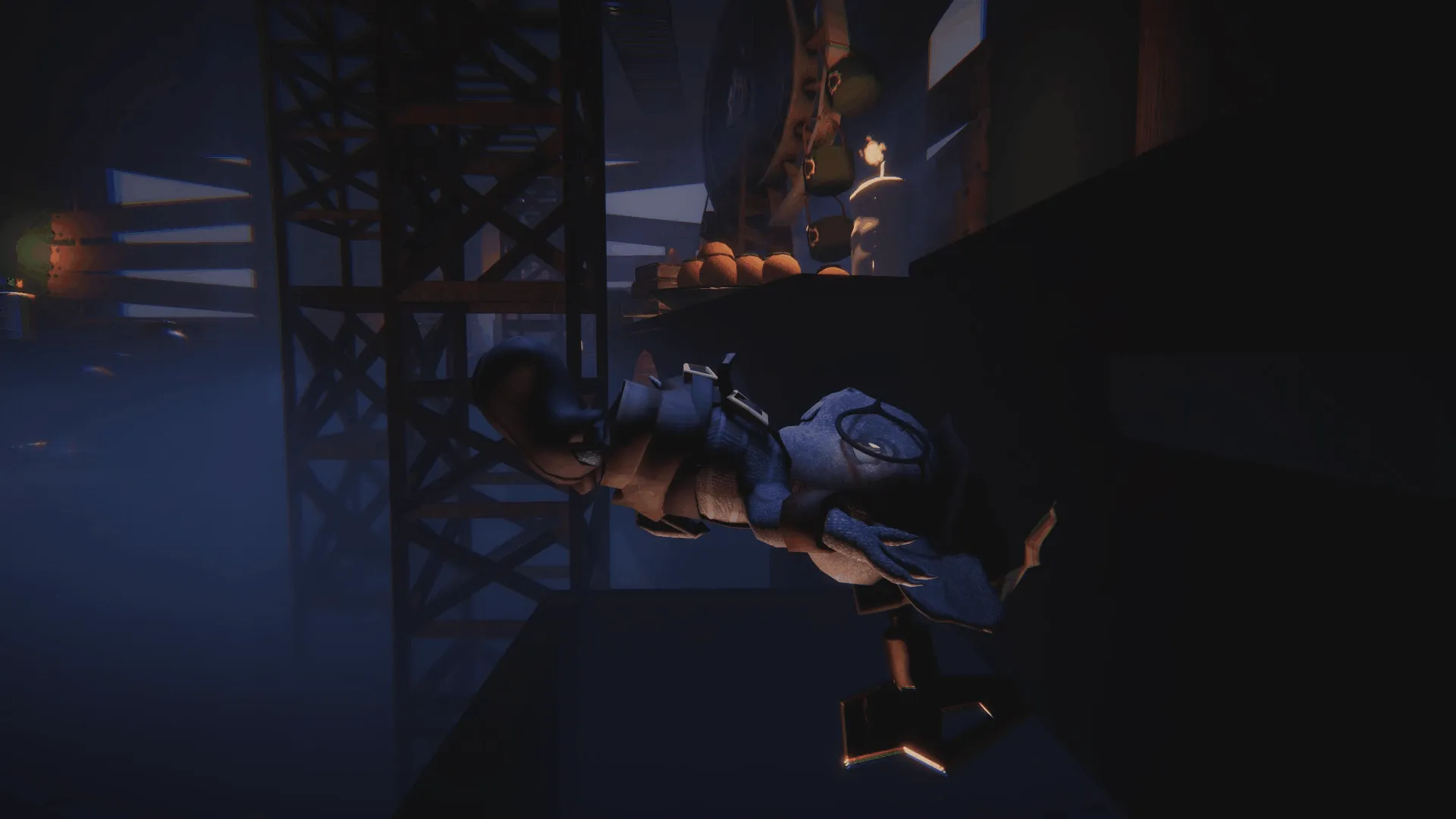
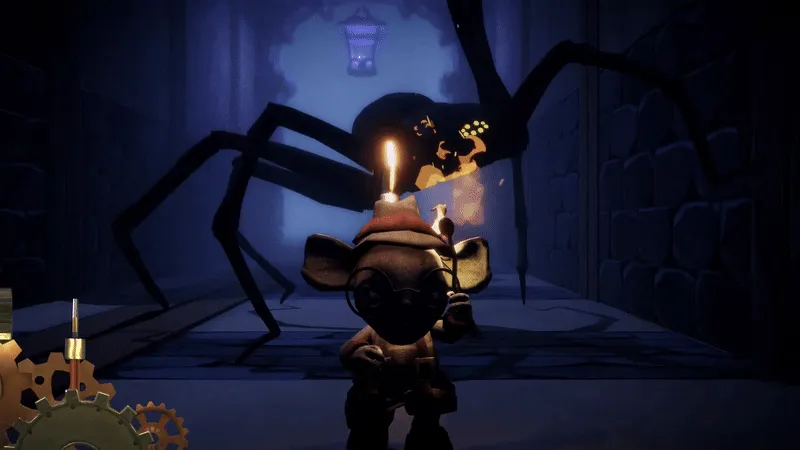
Unwound is a 3D stealth action-adventure where you play as Benjamin, a wind-up toy mouse desperate to save his son from The Catcher — a tormented toymaker who steals souls to animate his creations. Your spring is your lifeline: every step drains it, and when it runs out, your body starts breaking apart. Sneak past twisted toys, exploit traps, or risk a skill-based winding ritual that could save you or alert every enemy nearby. Dark fairy-tale tone meets the fragility of being a mechanical thing.
Part 1 Context & My Role

Part 2 Design Pillars
Before any mechanics work started, the team and I locked three design pillars. These weren't formalities, they were the filter every decision had to pass through for the rest of the project.
- The Weight of Being a Toy: Early pitches kept gravitating towards "small character in a big world" as a visual concept, which looks nice but doesn't give you anything to play with. I wanted the toy premise to be mechanical, not just aesthetic. Every system needed to reinforce the fragility and limitations of being a toy, for if it didn't make you feel wound up and breakable, it had no place in the game. That principle is why energy drains while you stand still, why health is represented as gear teeth physically snapping off, why Benjamin's movement degrades the lower his charge gets. All of it feeds back into gameplay.
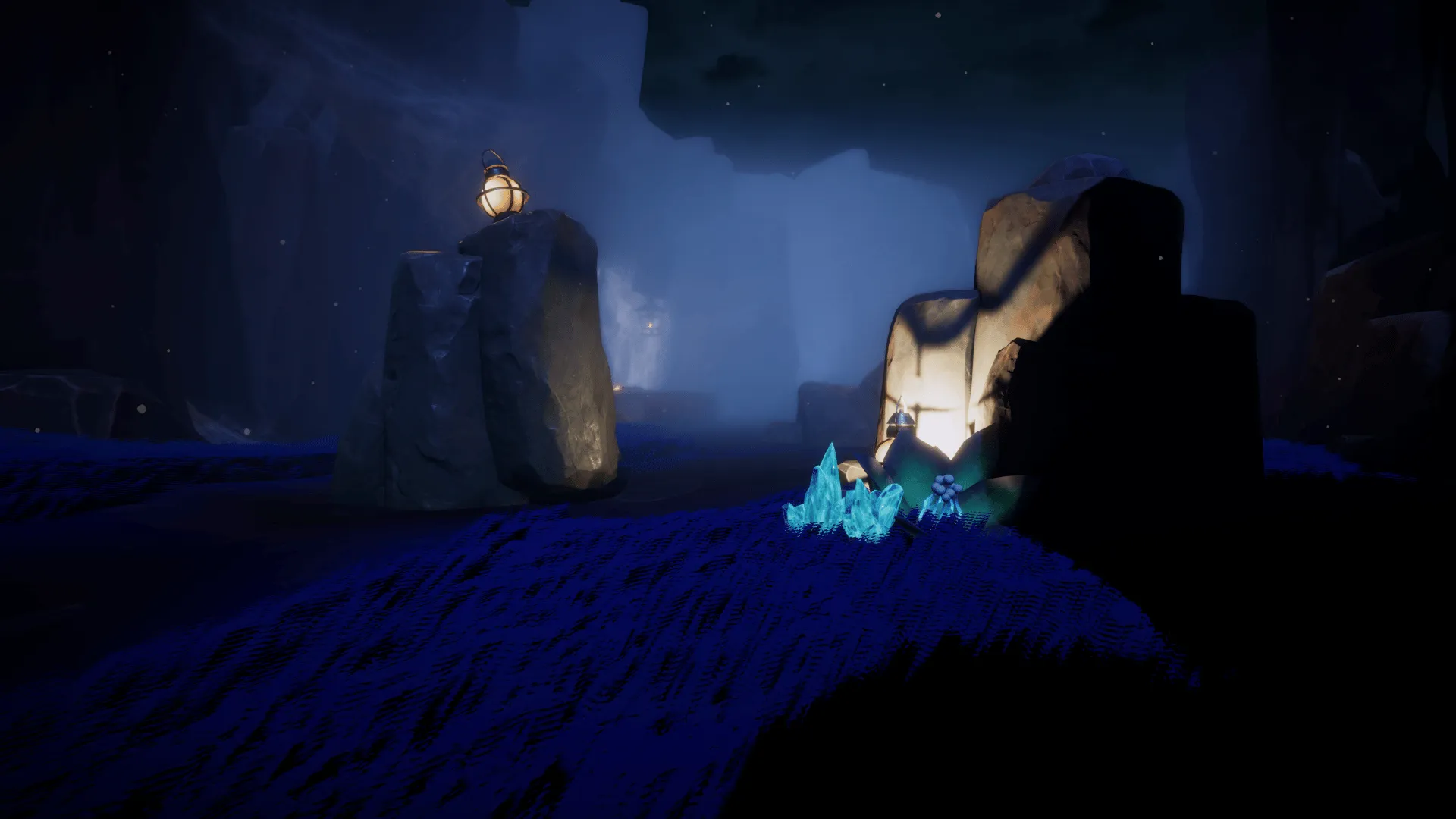
- Eccentric Whimsy: Our references, The Mouse and His Child, The Pied Piper, Inside, Crow Country, Sorry We're Closed, share a particular quality: dark subject matter delivered through a handcrafted, storybook lens. This pillar existed to keep us honest. Too grim and we lose the charm. Too cute and we lose the stakes. Every environment, character, and system needed to feel like something out of a strange, beautiful pop-up book that's slightly wrong.
- Embrace Bold Creativity: More of a process pillar than a game pillar. In a mentorship with people from different backgrounds, ideas tend to die quietly because nobody wants to pitch the strange one. This gave everyone explicit permission to go there.
Part 3 The Wind-Up Mechanic
The question I was working through: how do you keep a stealth-adventure tense when combat isn't the main threat?
The wind-up mechanic is the core resource system in Unwound. Benjamin has an energy bar that represents his remaining wind-up time, displayed at the top of the viewport. The bar holds a maximum of 60 seconds, divided into four distinct sections of 15 seconds each, and the player begins with only the first section filled. Energy depletes continuously. Moving costs 1 second per second. Standing still costs half that. There is no safe state, the meter is always running. I went with constant depletion over per-action costs because the pressure needed to be present even during quiet moments, during exploration or puzzle-solving, not only when enemies are nearby.
Environmental interactions pull from the same energy pool. Powering a jack-in-the-box jump pad costs 4 seconds. Triggering a cymbal monkey distraction costs 5. I put these on the same budget as movement and survival on purpose, it forces you to weigh every interaction against how much runway you have left. "Can I afford this shortcut, or does spending 4 seconds here mean I don't make it to the next wind-up point?" That kind of constant cost-benefit was what I wanted running in the player's head.
Part 4 Judgment Gears
After the first energy section is filled, the player can attempt a skill-based minigame to earn up to three additional sections. The basic wind-up on its own had no decision-making to it. Hold a button, wait, receive energy. Players would simply find a safe spot and refill whenever they got low, which undermined the tension the energy system was supposed to create. The Judgment Gears exist to make winding up a risk in itself.
Part 5 Camera System
We don't give players control over the camera. We craft each angle to enhance dramatic tension, reveal environmental storytelling, and create memorable visual compositions. This approach serves both aesthetic and functional purposes, establishing the game's visual identity while influencing how players approach puzzles and perceive the world. Every camera position is integrated with the level design to guide player attention.
This was an early debate on the team. Classic survival horror titles, use constrained cameras to control what the player knows and when they know it. Giving the player free camera control in a stealth game about a tiny toy mouse would undermine the vulnerability the game depends on.
- Fixed cameras handle rooms and set-pieces. Each one is individually placed
- Follow cameras handle traversal sequences. They move along designer-placed tracks, similar to dolly shots in filmmaking.
- A side-view mode restricts movement to a 2D plane for specific sequences.
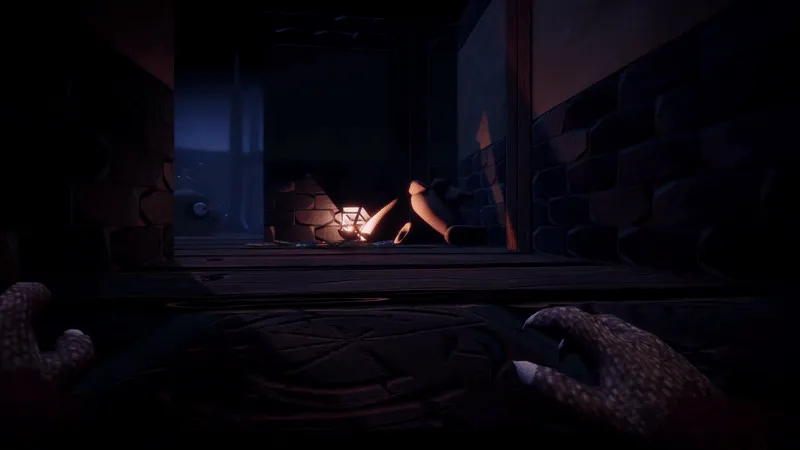
- Freelook is a limited first-person mode for detailed environmental investigation. The player sees the world from Benjamin's eyes
Camera transitions were the most iterated part of the system. Cutting between fixed angles disorients players if handled poorly. I specified four transition types mapped to different contexts: hard cuts for surprise, fades for major area changes, pans for spatial awareness, and tracking shots through complex environments. Every transition includes a input grace period that preserves the player's intended movement direction, plus a brief character highlight so the player never loses track of Benjamin after a dramatic angle change.